When Sweet Cravings Strike: Wafers vs. Candy Bars
Choosing Your Afternoon Reward
That mid-afternoon lull can hit hard. Energy dips, focus fades, and the mind starts wandering toward something sweet. For many people, the choice comes down to two familiar options: a crisp wafer cookie or a classic candy bar. Both deliver sugar and satisfaction, but they differ in ways that matter for daily habits, energy levels, and overall eating patterns. Understanding those differences helps you pick the better sweet snacks for your own routine.
The goal is not to label one option as universally good or bad. Instead, it is about knowing what each choice offers and when one suits your needs more than the other. Portion size, texture, calorie density, and how each snack fits into balanced eating all play a role. By looking at these factors, you can make an informed decision the next time the 3 p.m. craving arrives.
What Makes a Wafer Cookie Different
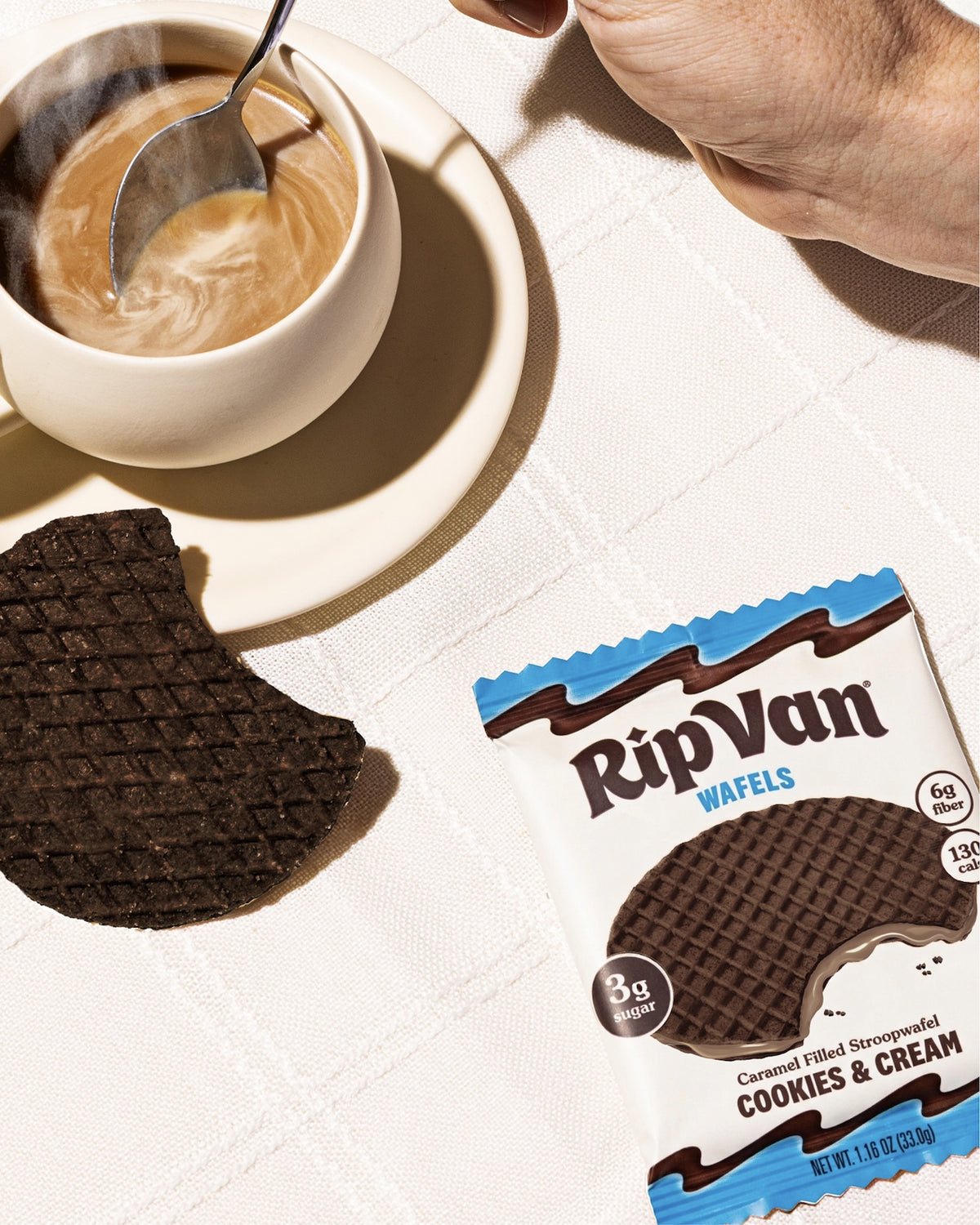
Wafer cookies, especially the filled Dutch style, bring a lighter structure than a dense candy bar. The thin layers of baked wafer cradle a filling that is often caramel-like or syrupy, with a chewy center. This combination gives a satisfying crunch that dissolves into a soft, sticky sweetness. Because the wafer itself is airy, the overall weight of the snack tends to be lower than a typical chocolate bar of similar size.
Many wafer cookies also contain added fiber, which can slow down how quickly the body processes the sugar. Fiber content matters because it affects how full you feel after eating and how steady your blood sugar remains. A snack with fiber tends to blunt the sharp spike and crash that often follows a high-sugar, low-fiber food. That makes wafer cookies a more balanced sweet treat when you need to avoid an energy slump later in the afternoon.

The Candy Bar's Appeal
Candy bars have a different set of strengths. They are portable, individually wrapped, and widely available. Their dense, chewy or crunchy texture delivers a concentrated hit of sweetness and often fat, which can feel very satisfying in the moment. The sugar content in a standard candy bar is usually higher than in a wafer cookie, and the fiber content is typically low or absent. That combination provides a quick burst of energy but may leave you feeling hungry again within an hour.
Texture plays a big role here. A candy bar's solid mass can feel more substantial, which some people prefer when they want a treat that feels like a real indulgence. The habit of eating a candy bar can also be tied to nostalgia or a quick pick-me-up during a busy day. However, the calorie density is high, and the lack of fiber means the body absorbs the sugar rapidly. For someone watching portion size or trying to manage dessert cravings, that rapid absorption can work against them.
Comparing Portion Sizes and Calorie Density
Portion size is one of the most practical differences between these two snacks. A standard wafer cookie is often smaller in volume than a candy bar, but the calorie count per gram can be similar or even lower because of the airy wafer structure. Candy bars pack more calories into a smaller space because of their high fat and sugar content. That means a small candy bar can provide as many calories as a larger wafer cookie, but without the same level of fullness.
When you are choosing between the two, consider how the snack fits into the rest of your day. If you have a light lunch and need something that sustains you until dinner, a wafer cookie with fiber may offer more staying power. If you simply want a small taste of sweetness and are not worried about the next meal, a candy bar can work, but you might find yourself reaching for another snack sooner than you expected.
How Habit Formation Plays a Role
Snack choices are not just about nutrition. They are also about habit. Reaching for a candy bar every afternoon can train your brain to expect a rapid sugar hit, which may reinforce cravings rather than satisfy them. Over time, that pattern can make it harder to choose other options. Wafer cookies, because they provide a more balanced sweet treat with some fiber and a slower release of energy, can help break that cycle without eliminating the pleasure of a sweet snack.
Habit formation also affects how you feel after eating. A candy bar might give a quick lift followed by a drop in energy, which can lead to another round of cravings later. A wafer cookie, by contrast, may leave you feeling more even-keeled. That steadiness can make it easier to stick with your overall eating plan for the day without feeling deprived.
When Each Option Suits You Best
There is no single right answer for everyone. The better sweet snacks depend on your personal goals, your schedule, and what you value in a treat. Here are a few scenarios to help you decide:
- You need a snack that lasts: Choose a wafer cookie with fiber. The slower digestion helps you stay full and focused longer.
- You want a quick, intense sweetness: A candy bar delivers that immediately, but be aware that the effect may not last.
- You are watching your overall calorie intake: Wafer cookies tend to have lower calorie density, so you can enjoy a larger portion for fewer calories.
- You are eating on the go: Both work, but candy bars are more durable and less likely to crumble.
- You are trying to reduce sugar spikes: The fiber in wafer cookies makes them a smarter pick for steady energy.
Texture, Satisfaction, and the Experience of Eating
Texture is not just a minor detail. It influences how satisfying a snack feels. The crisp snap of a wafer followed by the soft, chewy center engages multiple senses at once. That complexity can make a small snack feel more rewarding. Candy bars, on the other hand, offer a uniform density that some people find comforting. The choice often comes down to personal preference, but it is worth paying attention to how each texture affects your sense of fullness and enjoyment.
Some people find that eating a wafer cookie takes longer because they nibble the layers, which naturally slows down consumption. That slower pace gives the body more time to register fullness. Candy bars are often eaten quickly, which can lead to eating more than intended before the brain gets the signal that you have had enough.
Fiber Content and Its Role in Snacking
Fiber content is one of the most practical differences between these two snacks. Many wafer cookies, especially those made with added fiber, provide a few grams per serving. Candy bars typically offer little to no fiber. Fiber helps regulate digestion and promotes a feeling of fullness. It also slows the absorption of sugar into the bloodstream, which prevents the sharp energy spikes and crashes that can disrupt your afternoon.
For anyone trying to improve their eating habits, swapping a candy bar for a fiber-containing wafer cookie can be a simple substitution that makes a real difference. It does not require a complete overhaul of your diet. Just one change at snack time can shift your energy levels and reduce the urge to reach for another sweet item later.
Practical Tips for Choosing
When you stand in front of the snack shelf, consider these points:
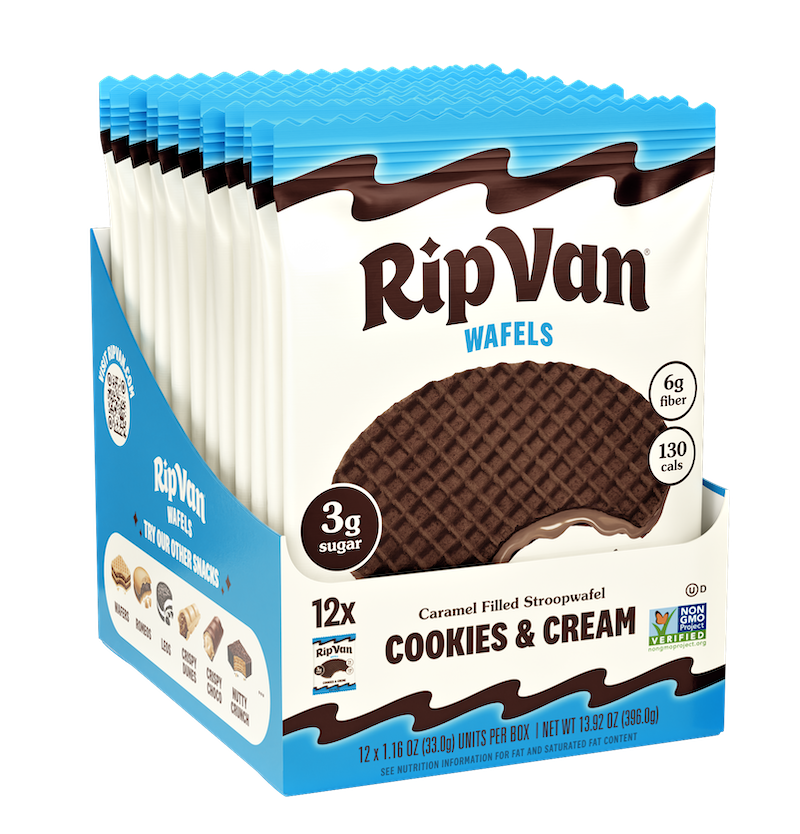
- Look at the fiber content on the label: a few grams can make a meaningful difference in how the snack affects you.
- Think about portion size: a smaller candy bar might satisfy a brief craving, while a larger wafer cookie can provide more volume for similar calories.
- Pay attention to how you feel an hour after eating: that feedback tells you whether the snack worked for your body.
- Consider the texture you crave: if you want something crunchy that dissolves slowly, a wafer cookie fits. If you want a dense, chewy bite, a candy bar may be what you are after.
Making the Choice That Works for You
Ultimately, the better sweet snacks are the ones that fit your life without creating problems later. Wafer cookies and candy bars both have a place, but they serve different purposes. If your afternoon treat is part of a larger pattern of snacking, choosing a wafer cookie with fiber can help you stay on track with balanced eating. If you simply want a small moment of sweetness and are not worried about what comes next, a candy bar can still be a fine choice.
The key is to be intentional. Know why you are picking one over the other, and notice how it affects your energy and your next meal. That awareness turns a simple snack into a tool for better habits, not just a source of empty calories. Whether you reach for a wafer or a candy bar, you are in control of how it fits into your day.